Navigating the Border: Why the “Old Way” of Shipping to Ireland is Dead
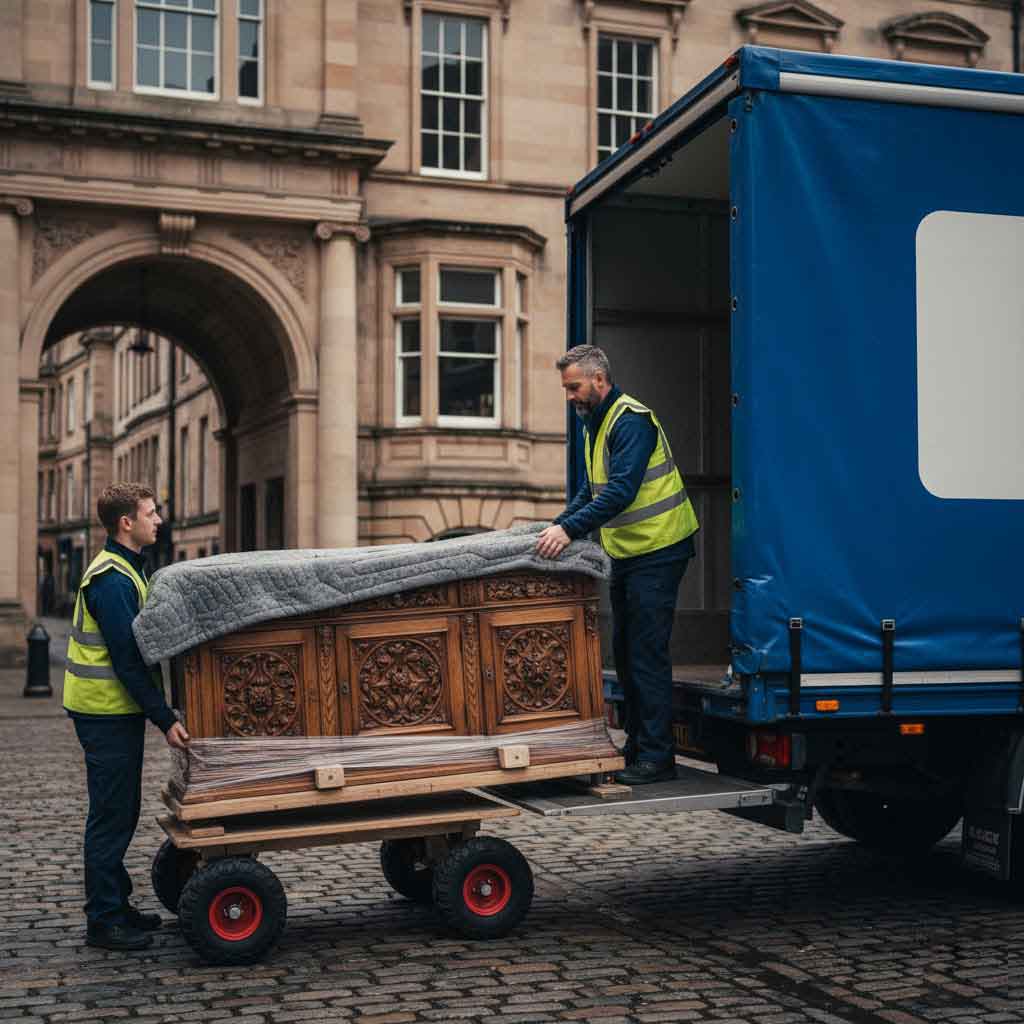
Since the implementation of the post-Brexit trade agreements, the Irish Sea has become the most complex logistics corridor in the UK. Whether you are a manufacturer in the Midlands sending industrial components to Belfast, or a private collector moving an antique dresser from Cornwall to Dublin, the “labels-and-luck” approach no longer works.
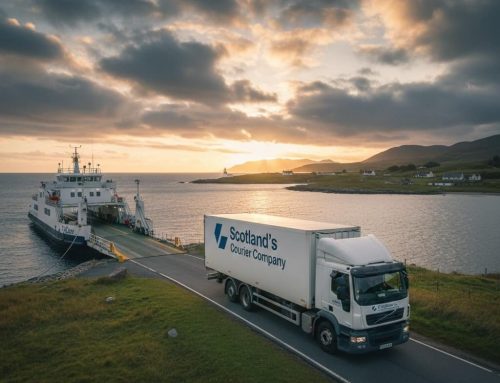
At Scotland’s Courier Company, we operate a National Bridge Infrastructure anchored by five strategic branches: Inverness, Oban, Glasgow, Nottingham, and Cornwall. This network allows us to collect from any UK corner and trunk cargo, and deliver it directly into our Irish corridor.
To ensure your cargo arrives on time and without unexpected tax bills, our in-house customs team has compiled the definitive 10-point checklist for UK-to-Ireland shipping.
1 . Identify Your Correct Commodity Codes
The Commodity Code (or HS Code) is the “Logistics DNA” of your item. It determines the rate of duty and the regulatory requirements for the crossing.
- The SCC Standard: Don’t guess. Using a generic “Furniture” code for a solid wood antique might trigger an inspection. We help our clients audit their inventory to find the surgical 10-digit code that ensures the “Green Lane” at customs.
2. Differentiate Between NI and ROI Protocols
Shipping to Northern Ireland (NI) falls under the Windsor Framework/TSS, while shipping to the Republic of Ireland (ROI) is a full international export to the EU.
- The Strategy: We manage both. For NI, we utilise the “Not at Risk” movement to protect your margins. For ROI, we handle the full EU import declaration.
3. Secure Your EORI Number
If you are a business, you cannot trade with Ireland without an Economic Operator Registration and Identification (EORI) number starting with “GB.” Movement to Northern Ireland may also require an “XI” prefix.
4. Valuation: Used Personal Effects vs Commercial Goods
Valuing your cargo correctly is the difference between a £0 and a £2,000 tax bill.
- Used Items: If you’ve owned furniture for 6+ months and are moving it to a secondary residence, you may qualify for Relief from Duty/VAT.
- The Cornwall/Highland Connection: Whether you’re moving a family heirloom from a cottage in Cornwall or a lodge in Inverness, our team manages the specific “Used Personal Effects” declarations required for tax exemption.
5. Zero-Rate Your Transport VAT
Under UK VAT Notice 744B, logistics services for goods exported to a destination outside the UK (including Ireland) are Zero-Rated for UK VAT.
- The Win: We quote these jobs VAT-exempt, instantly saving our clients 20% compared to general couriers who don’t understand export law.
6. Utilise the Strategic Branch Network for Collection
One of the biggest hurdles is getting the goods to the port. We have removed this barrier by providing local collection points across the UK:
- Nottingham Hub: Our central English depot for Midlands and Southern business.
- Glasgow HQ: Central Belt and Lowland consolidation.
- Inverness & Oban: Securing the North for Irish transit.
- Cornwall: Ensuring South West firms have a direct link to the Irish Sea.
7. Choose “No-Hub” Handling for Fragile Assets
Mattresses, antiques, and high-value e-bikes are frequently damaged in Irish Sea trans-shipment hubs.
- The Moat: We operate a Zero-Belt Policy. Your cargo stays on our vehicle floor from the UK to Ireland. No mechanical sorting. No forklift “shuffling” in a dark depot.
8. Understand the “Incognito” Rules for E-Bikes
E-bikes are classified as dangerous goods in some contexts due to lithium batteries.
- The Solution: We are the UK’s primary “Ready to Ride” e-bike specialists. We manage the battery declarations and specialised racking required for safe sea-crossing from any of our five UK branches.
9. Prepare for “Final Mile” Access
Dublin hill villages and the rural lanes of Fermanagh require specialised assets.
- The Fleet: We utilise everything from Sprinters for tight access to 44T Artics with tail-lifts for bulk industrial drops. Confirming your site access prevents “Failed Delivery” surcharges.
10. Partner with a Firm that knows the rules
Most hauliers hire third-party brokers. If the paperwork fails at 2:00 AM at the docks, a broker won’t answer the phone.
- Asset Sovereignty: We have our own In-House Customs Agents. We move the metal and the paper in a single loop. We are 100% accountable for the crossing.